Summary
- Video wall applications by industry now span far beyond flagship corporate spaces
- The global LED video wall market is projected to surpass $47.5 billion by 2030, according to market research
- Corporate offices, digital signage, advertising, and emergency operations centres are the sectors using them most
- Backman Vidcom designs and installs video wall systems suited to each of these environments across Atlantic Canada
Video Wall Applications by Industry Have Expanded Fast
Video walls used to be reserved for large budgets and flagship spaces. That has changed. Better pricing, easier integration with everyday collaboration software, and clearer returns on visibility and engagement have made video walls a practical choice for a much wider range of businesses. Looking at video wall applications by industry, the fastest adopters tend to share one thing in common: a real need to get information or content in front of people quickly and clearly.
Corporate Offices Use Video Walls for More Than Branding
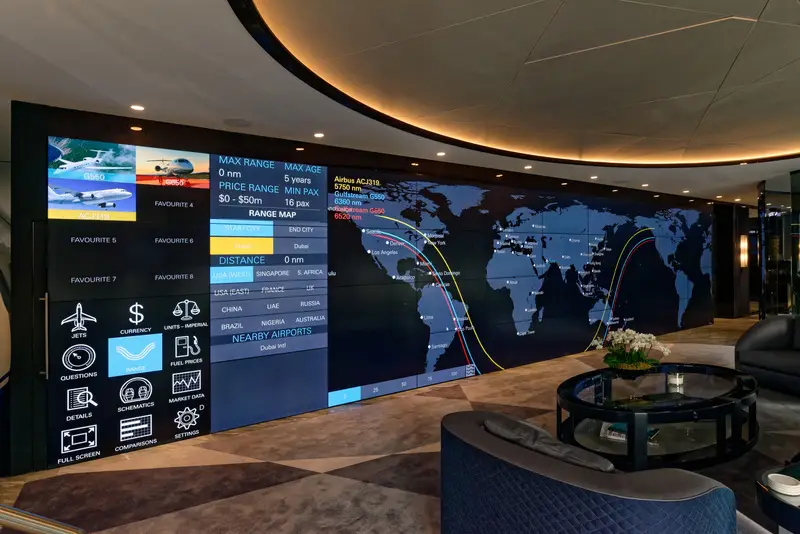
In corporate environments, video walls show up in lobbies, boardrooms, and open work floors. A lobby video wall does double duty, reinforcing brand identity for visitors while displaying real information. In meeting rooms, a video wall paired with a platform like Microsoft Teams turns a presentation into something the whole room can actually engage with, and touchscreen video walls let decision makers interact directly with reports and data during a meeting rather than just viewing them. See how this fits into a broader AV solutions approach for corporate spaces.
Digital Signage Depends on Display Quality
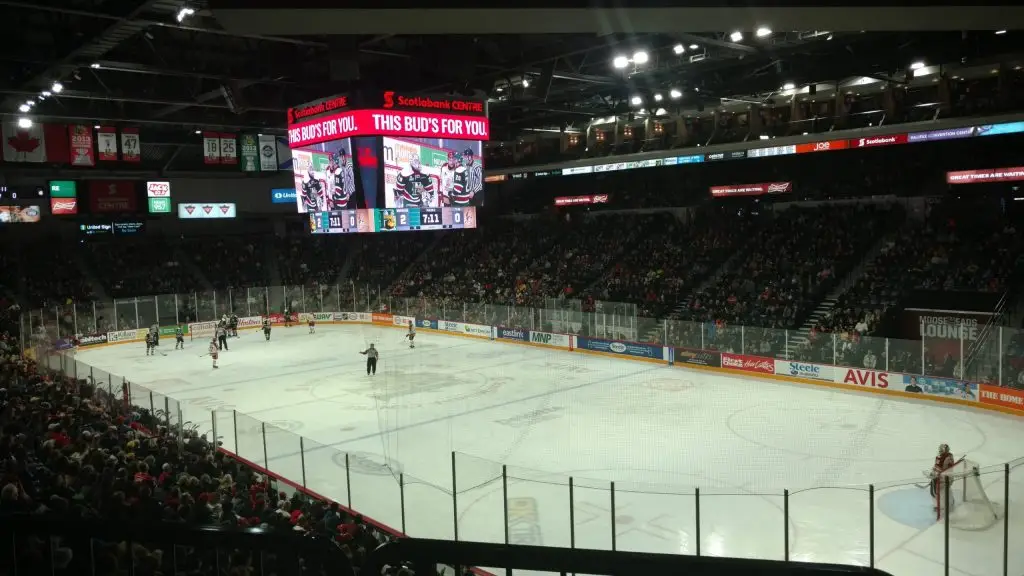
Traditional digital signage often falls short visually, which undercuts the message it is meant to deliver. LED and LCD video walls have become the preferred choice for conference venues, event spaces, and public-facing signage because they hold up at scale and stay sharp at close range, something older signage technology struggles with. Events ranging from trade shows to concerts now rely on video walls to deliver both live and prerecorded content to an audience.
Where Organizations in Atlantic Canada Are Using Video Walls
Retail and Advertising Use Video Walls to Drive Action
In shopping centres and urban retail spaces, video walls give advertisers a large, flexible canvas for time-sensitive campaigns, sales, promotions, and seasonal content that can be updated instantly rather than reprinted. Retail spaces near a video wall installation often see a measurable lift in foot traffic and engagement, which is why placement matters as much as the display itself. Explore how this applies across different markets and industries we work with.
Emergency Operations and Security Centres Rely on Real-Time Visibility
For emergency operations and security monitoring facilities, video walls are not about branding at all, they are operational infrastructure. Multi-screen video walls give teams a shared, real-time view of everything from traffic conditions to active security incidents, so a whole team can respond from the same picture instead of piecing information together across separate screens. This kind of centralized visibility is often the difference between a fast, coordinated response and a delayed one.
What to Get Right Before You Invest
The most common video wall mistakes come from treating it as a display purchase rather than a systems design project. Here is what matters most:
- Room dimensions and viewing distance determine the right screen size and configuration – what looks impressive in a showroom may not suit your space
- Content source integration matters from day one – your video wall needs to work with the platforms and content management systems your team already uses
- LED vs LCD has real implications for brightness, bezel size, viewing angle, and long-term cost – the right choice depends on your environment
- Scalability should be built in from the start so the system can grow as your needs do
- Ongoing support is not optional – a video wall that goes dark during a board presentation or a public event is a serious problem
Frequently Asked Questions
Are video walls only practical for large organizations?
No. Pricing and integration have both improved significantly, making video walls a realistic option for a much wider range of business sizes and budgets than even a few years ago.
Do video walls work with platforms like Microsoft Teams?
Yes. Most major collaboration platforms now support dedicated video wall configurations, allowing content and calls to display cleanly across multiple screens.
What is the difference between a video wall and standard digital signage?
Standard digital signage typically uses a single display and often sacrifices visual quality at scale. Video walls combine multiple screens into one seamless image, holding sharper detail and better visibility, especially at close range or in bright environments.
Does Backman Vidcom install video walls for every industry?
Backman Vidcom designs and installs video wall systems across corporate, retail, event, and emergency operations environments, matched to how each space actually gets used.
Ready to Explore Video Wall Options for Your Space?
Whatever industry you’re in, the right video wall setup depends on how your space is actually used. Contact us to talk through what would work for yours.
Call 902-450-5005 or visit our contact page to start the conversation.